
The goal of this project is to assess and improve anchoring technologies for floating offshore wind in challenging seabed conditions across the UK continental shelf.
- Research area: Renewable energy
- Institution: University of Strathclyde
- Supervisor: Professor James Carroll
- PhD student: Isabel Stansbury
- Conducted in collaboration with ESB
Project summary
Anchoring technologies have long been used in the offshore industry, but floating offshore wind (FOW) presents new challenges, especially in difficult ground conditions. These areas often have harder seabed substrates, unlike those where Drag Embedment Anchors (DEAs) and suction anchors are typically used.
ORE Catapult reviews (1,2) highlight the need for a detailed assessment of anchoring technology in these challenging conditions. This follow-up assessment will identify high-potential areas for FOW with difficult ground conditions. A thorough investigation of seabed properties across the UK continental shelf, focusing on North East England, Scotland, and the Celtic Sea, is essential.
Meet the researcher
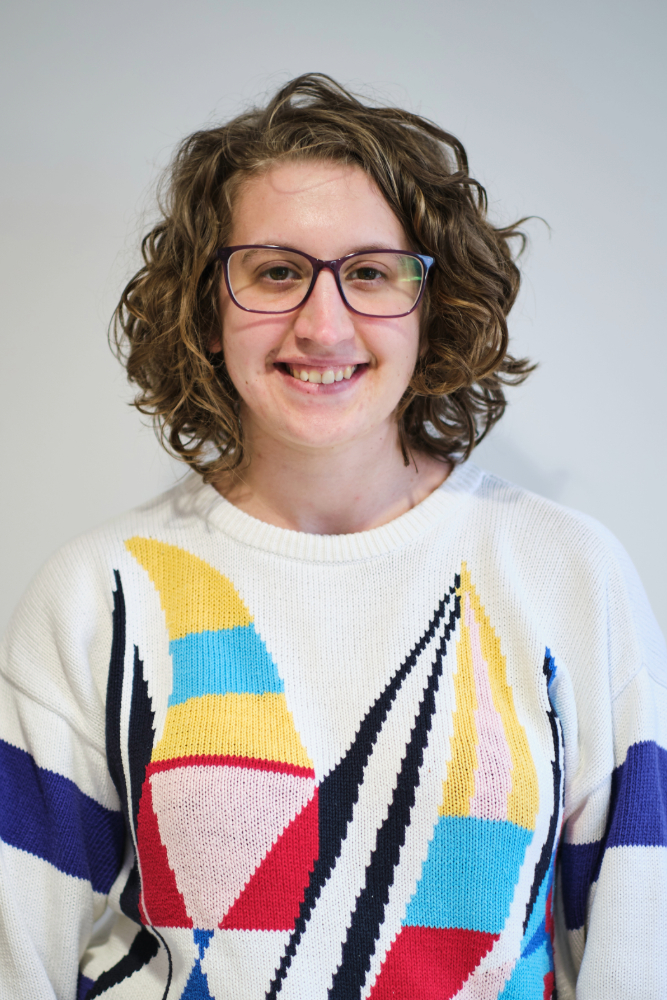
Hi, I’m Isabel. I completed my undergraduate degree in Mechanical Engineering at Heriot Watt University, following that I gained valuable industry experience in structural design and analysis as a marine structures engineer.
As an engineer I really enjoy problem solving, and my research is an opportunity to solve a real-world problem that will contribute to a more sustainable world.
I am fortunate to be collaborating with ESB, Ireland’s leading energy company, using their expertise and support to bring my research to fruition.
I’m enjoying being part of a diverse cohort within EnerHy, with fellow researchers from various disciplines and backgrounds. The range of academics supporting the programme has really put emphasis on interdisciplinary research and exposes us to the wider energy landscape. Overall, I’m gaining a range of skills and the programme is providing more opportunities than a traditional PhD.